
oval lighted vanity mirror
Understanding Spirit Level Reading A Guide for Beginners In the world of construction and home improvement, precision is paramount. One of the essential tools every handyman, carpenter, and DIY enthusiast should have is a spirit level. This simple yet effective tool helps ensure that surfaces are perfectly horizontal or vertical, preventing structural issues and enhancing aesthetics. In this article, we will explore the principles behind spirit level readings, how to use them accurately, and their significance in various applications. What is a Spirit Level? A spirit level is a tool designed to determine whether a surface is level (horizontal) or plumb (vertical). Traditionally, it consists of a long, straight bar with a sealed vial containing a liquid, typically alcohol or colored water, and an air bubble. The vial is positioned precisely in the center of the bar. When the spirit level is placed on a surface, the bubble will shift toward one side if the surface is either inclined or tilted. A correctly leveled surface will have the bubble resting in the center of the vial. Types of Spirit Levels There are several types of spirit levels available, each suited for specific tasks 1. Classic Bubble Levels These are the most common types and are usually made from aluminum or plastic. They feature one or more vials for measuring horizontal and vertical alignments. 2. Laser Levels Utilizing laser technology, these levels project a straight line over long distances, making them ideal for large construction projects . They are particularly useful in professional settings. 3. Digital Levels These modern levels offer electronic measurement readings, often displaying angles in degrees. They may also include features like memory storage and automatic calibration, providing additional convenience and accuracy. How to Read a Spirit Level spirit level reading Reading a spirit level is straightforward but requires attention to detail. Here’s a step-by-step guide 1. Positioning Place the spirit level on the surface you wish to check. Ensure that it sits flat and does not rock. 2. Checking the Bubble Look at the bubble within the vial. If it is centered between the two marked lines, the surface is level. If the bubble is touching one line, that indicates a tilt towards that side. 3. Adjusting If the reading indicates that the surface is not level, adjustments must be made. For example, if you're installing cabinets and the bubble indicates an incline, you may need to add shims beneath the lower end until the bubble centers. 4. Re-checking After making any adjustments, always recheck to confirm that the surface is now level. It's essential to ensure consistency, especially when working on critical installations. Importance of Accurate Spirit Level Readings Accurate spirit level readings are crucial in various applications. For architects and builders, ensuring that structures are properly aligned can prevent long-term issues, such as uneven floors or misaligned walls. In DIY projects, using a spirit level ensures that shelves and fixtures are mounted correctly, enhancing both functionality and appearance. Moreover, a level surface is not merely about aesthetic value—it also plays a critical role in safety. For example, in construction, an unlevel foundation can lead to severe structural problems down the line. In plumbing and electrical installations, level indicators help maintain the integrity of systems and prevent potential hazards. Conclusion In conclusion, understanding how to read a spirit level is an invaluable skill for anyone involved in construction or home improvement. The tool itself is simple yet powerful, capable of ensuring precision and safety in various applications. By mastering the use of a spirit level, you can take your projects to the next level, ensuring that everything from your kitchen cabinets to your outdoor patio is perfectly aligned and secure. Whether you're a seasoned professional or just starting, a spirit level is an indispensable addition to your toolkit, making every project a little easier and more enjoyable.
about
oval lighted vanity mirror
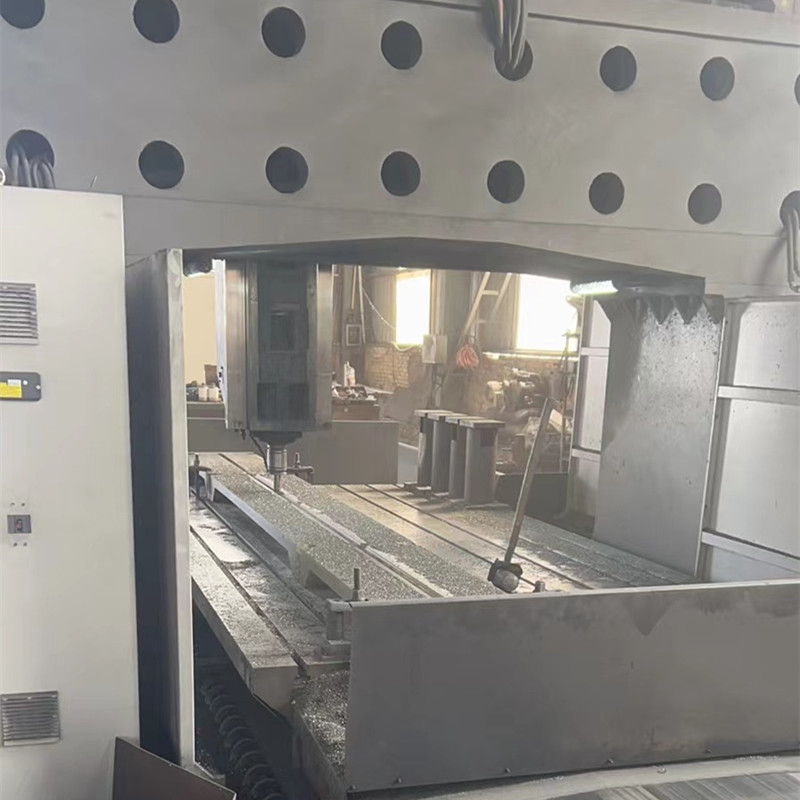
The Importance of Precision 3D Welding Tables in Modern Manufacturing In recent years, the manufacturing industry has witnessed a significant transformation driven by advancements in technology and the growing need for precision in production processes. Among the innovations that have emerged, precision 3D welding tables have gained prominence as essential tools in various industrial applications. These specialized tables are designed to facilitate accurate welding, ensuring that components fit together correctly and meet stringent quality standards. Understanding Precision 3D Welding Tables Precision 3D welding tables are robust platforms that provide a stable and accurate surface for welding operations. They are engineered with high tolerances and often made from durable materials such as steel or aluminum, which can withstand the rigors of welding processes. These tables are equipped with a grid system of holes, slots, and alignment features that allow for the easy positioning of workpieces and fixtures. The concept of 3D welding tables revolves around the need for precision alignment in three-dimensional space. Unlike traditional flat tables, 3D welding tables enable welders to adjust the angle and position of components, facilitating complex assemblies and intricate designs. This capability is especially beneficial in industries such as aerospace, automotive, and construction, where precision is paramount. Key Features of Precision 3D Welding Tables 1. Modularity Many precision 3D welding tables are modular, allowing users to configure the workspace as needed. This adaptability means that manufacturers can tailor their work environment to meet specific project requirements. 2. High Load Capacity These tables are designed to support heavy workpieces without compromising accuracy. The strong structural integrity ensures that welders can work on large components without fear of distortion or movement. 3. Easy Adjustment The built-in clamping and alignment systems make it easy to secure parts in place. This feature not only saves time during setup but also contributes to the overall accuracy of the welding process. 4. Material Compatibility Precision 3D welding tables can accommodate various materials, including metals, plastics, and composites. This versatility is essential for manufacturers that work with a wide range of materials in their projects. precision 3d welding table 5. Enhanced Safety The stability and secure setup provided by these tables contribute to a safer working environment. Welders can work with confidence, knowing that their components are held firmly in place during the welding process. Benefits of Using Precision 3D Welding Tables The use of precision 3D welding tables offers numerous benefits to manufacturers, particularly in terms of efficiency and quality control. By allowing for accurate alignment and secure positioning, these tables minimize the risk of errors that can lead to costly rework or scrap. 1. Increased Efficiency The ability to quickly adjust and secure components means that welders can complete their tasks faster. Streamlined workflows lead to lower labor costs and higher throughput. 2. Improved Weld Quality Accurately aligned components result in cleaner welds, reducing the likelihood of defects. This improvement in quality enhances the overall durability and reliability of the final product. 3. Cost Savings By reducing material waste and rework, precision 3D welding tables contribute to significant cost savings over time. Manufacturers can optimize their operations, ensuring that resources are used effectively. 4. Enhanced Design Capabilities With the flexibility to work on complex geometries, manufacturers can push the boundaries of design. Innovative products that were once deemed too challenging to create can now be realized with the help of precision welding tables. Conclusion In today's fast-paced manufacturing landscape, precision is not just a luxury; it is a necessity. Precision 3D welding tables have become invaluable tools that enable manufacturers to meet the demands for accuracy, quality, and efficiency. As technology continues to evolve, these tables will play a critical role in shaping the future of welding and fabrication processes. Investing in precision 3D welding tables is not merely a choice but a strategic decision to remain competitive in an ever-changing industry. By embracing these advanced tools, manufacturers can ensure they are prepared to meet the challenges and opportunities that lie ahead.
-

High quality industrial productsagement

High quality industrial products
View Details -

Meet the diverse needs of customers

Meet the diverse needs of customers
View Details -

Strict quality control

Strict quality control
View Details -

Top raw materials

Top raw materials
View Details -

Trusted supplier

Trusted supplier
View Details
Our application
news and information

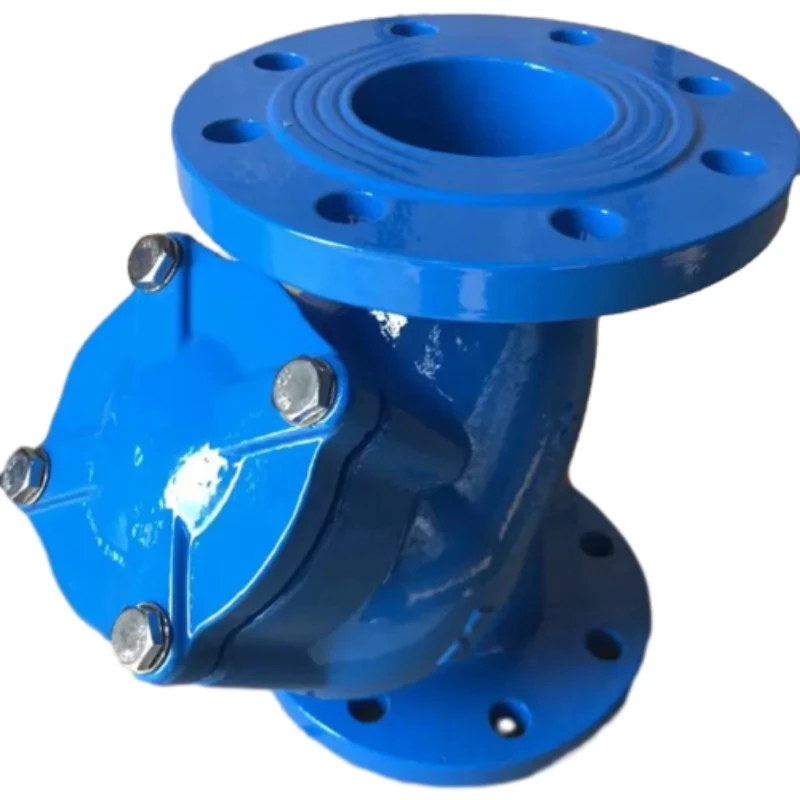
Valve manufacturing plant creating innovative products for industrial applications.
Valve Factory The Heart of the Manufacturing Process Valve factories play a crucial role in the man

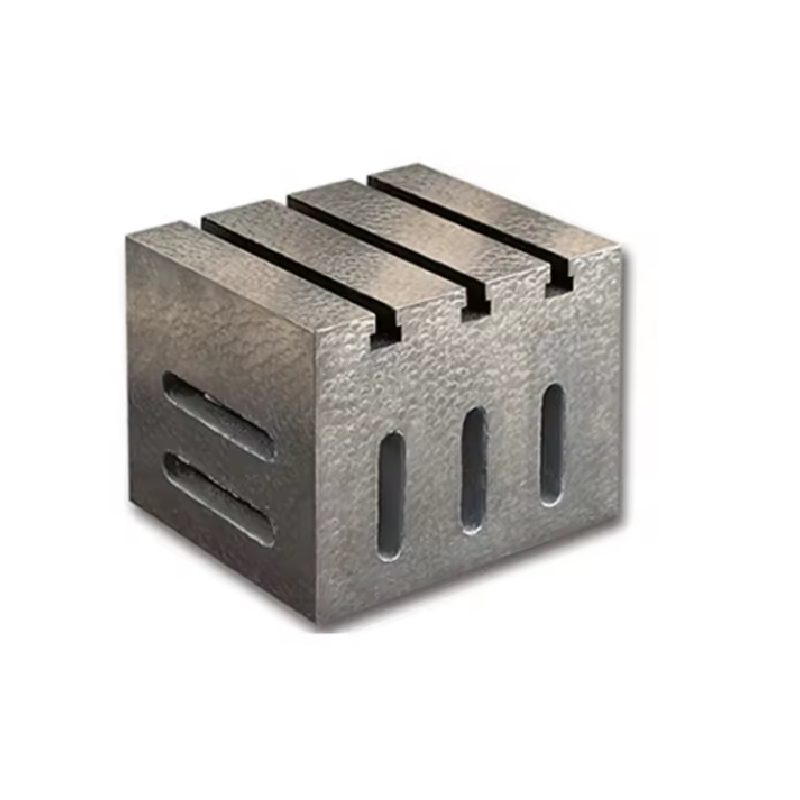
Versatile Six-Sided Aluminum Alloy Angle Measurement Tool for Precision Applications
The Versatility of Six-Sided Aluminum Alloy Angle Measuring Tools In the world of precision measurem
welding table clamps 5 8
Exploring Welding Table Clamps Essential Tools for Precision and Stability Welding is an intricate p
 English